

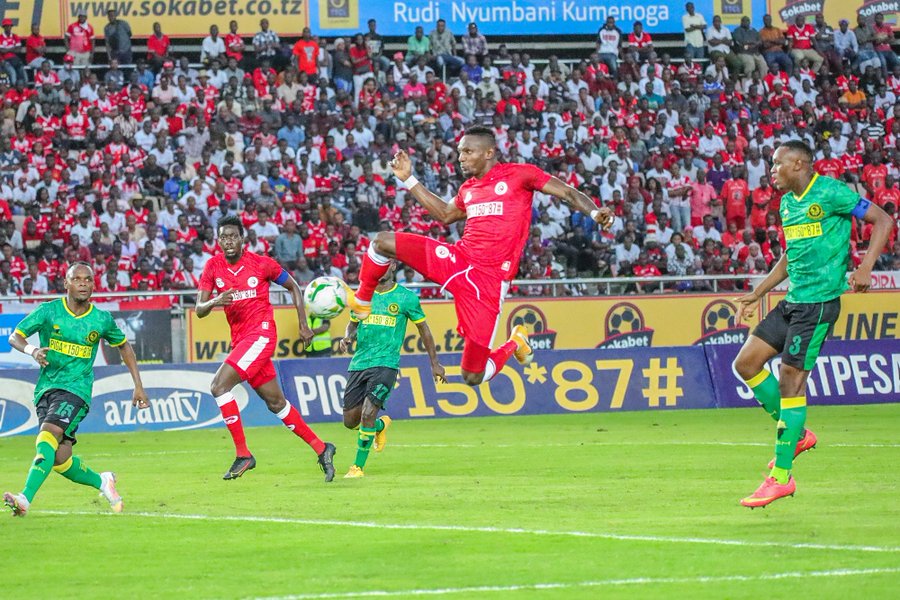
East African football is writing a new chapter — one whose authorship belongs to nations whose competitive development has been accelerating faster than international football’s established hierarchy has fully recognized. Tanzania’s football story is among the region’s most compelling, reflecting a combination of genuine talent development, improving organizational infrastructure, and the specific competitive ambition that has transformed the Taifa Stars from regional participants into genuine continental competitors. Fans following East African football and dedicated markets across the continent can find comprehensive coverage at db bet.
Tanzania Football: The Foundation and Context
Tanzanian football operates within East Africa’s developing competitive landscape — a region whose combined football talent has always exceeded the organizational infrastructure required to develop it into consistent international competitive excellence. The specific challenges that Tanzania’s football development has historically navigated — limited facility investment, coaching education gaps, and the financial constraints that developing nation sport federations manage — have shaped a football culture that has produced genuine quality despite rather than because of the systematic support that more developed football nations provide as baseline.
The Tanzania Football Federation’s relationship with CAF and FIFA has progressively improved the organizational framework within which domestic competition operates — funding streams, coaching education programs, and the technical assistance that international football governance makes available to developing member associations have collectively contributed to the structural improvements that recent competitive performances reflect. Understanding Tanzania’s football story requires appreciating both how far the development has come and how much distance remains between current standards and the continental competitive elite that the Taifa Stars increasingly aspire to challenge.
Tanzania National Football Team: The Taifa Stars
The tanzania national football team — known as the Taifa Stars — has been navigating AFCON qualification with performances that reflect genuine competitive improvement while the gap between Tanzania and the continent’s established football powers remains a realistic rather than dismissive assessment of current competitive positioning.
The team’s most significant recent achievement — qualification for the Africa Cup of Nations — delivered the continental tournament exposure that national team development requires beyond what regional competition provides. Competing at AFCON against nations with deeper football infrastructure, more commercially developed domestic leagues, and longer continuous histories of continental competition provided benchmarks whose specific competitive lessons informed subsequent development decisions in ways that qualification campaign results alone cannot deliver.
The Taifa Stars’ squad composition reflects the specific pathway that Tanzanian football talent follows — domestic league performers who form the team’s backbone complemented by diaspora players whose European or broader African experience brings different technical and tactical exposure into the national team environment. Managing the integration of these different player profiles — ensuring that tactical coherence develops despite the limited preparation time that international football’s calendar provides — has been a specific organizational challenge that coaching appointments have addressed with varying degrees of success.
Tanzania Coach: The Coaching Vision
Tanzania coach appointments have reflected the federation’s understanding that technical quality at the senior national team level requires expertise beyond what the domestic coaching pool currently provides — a recognition that has produced both foreign coaching appointments and deliberate investments in developing local coaching quality alongside immediate international competitive needs.
The specific tactical framework that Tanzania’s national team coaching staff has developed — built around defensive organization that limits the quality opportunities that superior opponents create, combined with transition-focused attacking that converts defensive solidity into counter-attacking threat — reflects a realistic assessment of the current squad’s technical profile rather than imposing tactical demands that available personnel cannot meet.
Coaching continuity — the sustained relationship between coaching staff and players across multiple qualification cycles that allows tactical understanding and team cohesion to develop beyond what individual coaching appointments’ brief preparation windows can build — has been identified as a development priority whose value the federation’s appointment decisions have progressively reflected. The specific coaching vision that Tanzania’s current setup pursues is less about revolutionary tactical transformation than about progressive competitive standard improvement whose cumulative effect across multiple tournament cycles delivers the consistent results that single spectacular performances cannot sustain.
Tanzania FC: The Domestic Club Landscape
Tanzania fc — the domestic club competition that produces the national team’s player base — has been developing in ways that reflect both the investment available within Tanzania’s football economy and the progressive organizational improvement that federation governance reforms have enabled. The Tanzania Mainland Premier League provides the competitive environment where domestic talent develops professional capabilities across a full season of organized competition against genuinely varied opposition.
Simba SC and Young Africans SC — the Dar es Salaam clubs whose fierce rivalry creates the domestic game’s most passionate competitive atmosphere — have invested in their squad quality and continental competition ambitions at a scale that reflects a recognition of football’s commercial potential alongside competitive aspiration. Their CAF Champions League and CAF Confederation Cup participations have brought continental competition experience into the Tanzanian football ecosystem — exposing players to higher-quality opposition than domestic competition provides while building the organizational capacity that managing extended continental campaigns requires.
The specific competitive quality that these clubs provide varies considerably from seasons where continental participation brings meaningful competitive progression through knockout stages to seasons where early exits reflect the gap between Tanzanian club quality and the African continental elite. The developmental value of the experience — the specific competitive lessons, the player exposures, and the organizational learning — compounds across seasons regardless of the specific results that individual continental campaigns produce.
Youth Development: Building Tanzania’s Football Future
Tanzania’s long-term competitive trajectory depends more on what happens at youth development level across the current cycle than on any senior team result in the near term. The academy structures that Simba SC, Young Africans, and other Premier League clubs have been developing — with varying resources and varying commitment to genuine development methodology rather than short-term talent exploitation — represent the primary pipeline through which the next generation of Taifa Stars will develop their competitive foundations.
The specific challenge that Tanzania’s youth development faces is the quality gap between what academy programs can provide in terms of coaching, facility, and competitive exposure and what the most talented youth players require to develop their potential fully. Talented players who access better development environments abroad — through trials with clubs in more developed football economies, through diaspora connections that open European or broader African opportunities — represent both individual success stories and development system losses whose aggregate effect on Tanzania’s domestic football depth is genuinely significant.
Addressing this challenge requires both improving domestic development quality sufficiently to retain more talented players within the Tanzanian football system and building relationships with international clubs that create structured pathways allowing Tanzanian players to develop abroad while maintaining connections to the national team program that their international experience ultimately benefits.
The Role of Diaspora Players in Tanzania’s Football
Tanzania’s diaspora football community — players of Tanzanian heritage competing in European leagues, in the broader African football circuit, and in other international competitive environments — represents a talent resource whose systematic integration into the national team program has been a specific federation priority across recent qualification cycles.
The specific value that diaspora players bring extends beyond individual technical quality into the competitive habits, tactical understanding, and professional preparation standards that different football environments develop. A player who has competed in European second-tier football brings specific competitive experiences — the physical preparation standards, the tactical sophistication of opposition, and the professional organizational environments — that the Tanzanian domestic league cannot replicate.
Managing diaspora integration requires the federation relationship quality that makes Tanzanian heritage players feel genuinely connected to the national team project — understanding that choosing Tanzania over the alternative of representing other nations through eligibility requires organizational investment in the relationship that goes beyond simply selecting players for squads when their form justifies inclusion.
What Tanzania’s Football Future Requires
Tanzania’s competitive football future depends on building the organizational consistency that converts genuine talent into sustained competitive achievement rather than the cyclical pattern — good qualification campaigns followed by organizational disruption, coaching changes, and development setbacks — that has characterized football development across multiple African nations with comparable talent pools.
The specific investments that would most directly accelerate Tanzania’s football development — improved grassroots infrastructure extending quality coaching access beyond urban centers where talent identification currently concentrates, sustained coaching education programs that build domestic technical capacity rather than depending indefinitely on foreign expertise, and the commercial development of the domestic league that creates the financial sustainability professional football’s development requirements demand — are collectively affordable within Tanzania’s developing economy if football governance treats them as priority rather than aspiration.
The trajectory is positive. Each generation of Tanzanian football is developing with better infrastructure, more organizational support, and clearer competitive pathways than the previous one. The pace of that improvement relative to the continental competitive standard that AFCON qualification requires is the specific variable that Tanzania’s football development is working most urgently to accelerate — building the organizational foundation that the talent has always deserved.
