

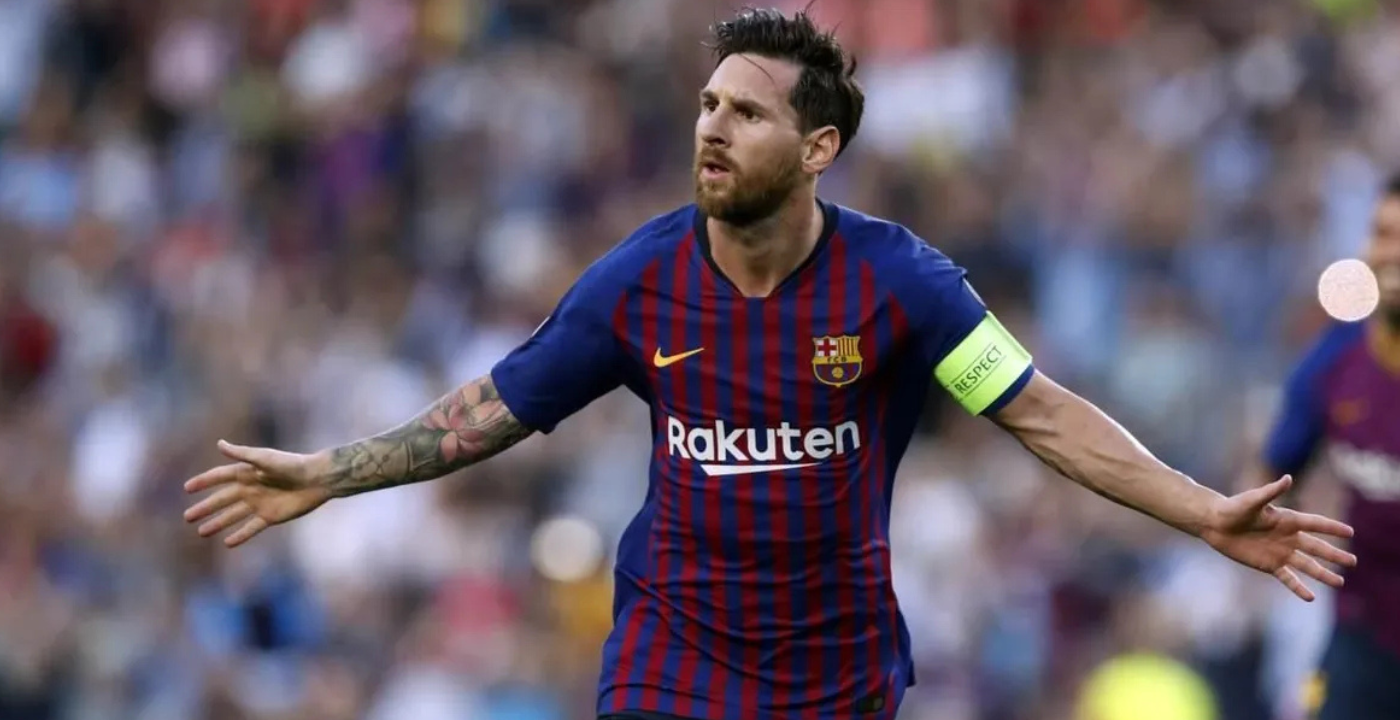
Few football clubs occupy the specific cultural and competitive position that FC Barcelona has built across its 125-year history — an institution whose identity extends beyond sport into Catalan cultural expression, political symbolism, and the particular aesthetic football philosophy that “més que un club” captures with genuine rather than marketing-manufactured authenticity. Barcelona doesn’t simply play football. It expresses something about how football should be played — a commitment to technical beauty, positional intelligence, and collective creative expression that produces either the sport’s most compelling football or its most frustrating depending on whether execution matches philosophy on any given evening.
db bet follows FC Barcelona with genuine analytical investment — recognizing that understanding fc barcelona’s current squad construction, the fc barcelona players defining this transitional competitive moment, and the specific connections between Barcelona’s system and the spain national football team provides essential context for appreciating one of global sport’s most consequential ongoing institutional stories.
The Barcelona Identity: More Than a Club 🔵🔴
Understanding fc barcelona requires engaging seriously with what the club represents beyond football results — an institution whose foundation in 1899 by a Swiss businessman named Joan Gamper created something that Catalan society subsequently adopted as genuine cultural property rather than simply sporting entertainment.
The specific political dimension — Barcelona as expression of Catalan identity during periods when that identity faced institutional suppression — created emotional investment whose depth exceeds what purely sporting excellence generates. Supporters who follow Barcelona aren’t simply football fans. They’re participants in a cultural tradition whose meaning extends into language, identity, and the particular pride of a region that has always understood itself as distinct from the Spanish nation-state within which geography places it.
This cultural foundation explains why Barcelona’s football philosophy — the specific commitment to technical, possession-based play — carries moral weight that results-focused clubs don’t attach to tactical choices. Playing badly but winning generates a specific disappointment at Barcelona that wouldn’t register equivalently at institutions whose identity is built around competitive outcomes rather than competitive aesthetics.
La Masia: The Development Engine 🌱
FC Barcelona’s La Masia academy represents the most celebrated youth development institution in football history — the specific developmental environment that produced Xavi, Andrés Iniesta, Lionel Messi, Pedro, Cesc Fàbregas, and the broader generation whose collective excellence created the most technically sophisticated football the sport has witnessed at both club and international level simultaneously.
The specific methodology — technical training beginning at young ages, positional play concepts introduced before physical development becomes a significant differentiator, and the cultural immersion in Barcelona’s playing philosophy that residential academy life provides — creates players whose football intelligence exceeds what purely technical training produces without the specific positional understanding that La Masia’s curriculum emphasizes throughout development.
The academy’s recent production has faced challenges — retaining elite local talent against financial competition from English clubs whose resources dwarf Barcelona’s current capacity, and the specific attraction that early professional contracts in less demanding competitive environments provide to talented teenagers whose development patience varies significantly.
Hansi Flick: The New Direction
Hansi Flick’s arrival as Barcelona head coach has injected specific tactical energy whose early results have validated the appointment more completely than cautious initial assessments suggested was immediately achievable given the squad transition Barcelona’s financial situation necessitated.
His high-pressing philosophy — teams hunting possession aggressively rather than maintaining it patiently — represents a meaningful tactical evolution from the possession-dominant approaches that previous Barcelona iterations employed. This pressing intensity creates different competitive demands on squad profiles — athleticism and specific pressing intelligence becoming requirements alongside the technical quality that Barcelona’s identity always demands.
The specific challenge involves maintaining Barcelona’s philosophical identity — the commitment to technical, attractive football — while implementing pressing systems whose energy requirements and tactical discipline differ from the patient possession building that Pep Guardiola’s generations executed most completely. Early evidence suggests Flick has navigated this tension more successfully than pessimistic initial assessments predicted.
Pedri: The Heir to Barcelona’s Midfield Throne 🌟
Among current fc barcelona players, Pedri González occupies a specific position within the club’s midfield tradition — a player whose technical qualities, positional intelligence, and the particular relationship with the ball that La Masia philosophy develops most completely create inevitable comparisons with the legendary midfielders whose careers defined Barcelona’s greatest competitive era.
His injury record has frustrated the continuous development that his talent warrants — extended absences interrupting the specific competitive momentum that sustained performance across complete seasons builds for players whose development trajectory and competitive ceiling both deserve uninterrupted expression. When fit and playing consistently, his performances justify the extraordinary expectations that his natural talent and
Barcelona’s specific investment in his development create.
The specific quality that distinguishes Pedri from merely excellent midfielders involves his spatial awareness — the ability to receive the ball in tight spaces under pressure and immediately make the correct decision that releases teammates into more advantageous positions. This quality develops through years of specific positional training that La Masia provides and that other development environments don’t consistently replicate.
Lamine Yamal: The Phenomenon ⚡
Lamine Yamal’s emergence represents the most extraordinary individual young talent development in European football’s recent history — a winger whose combination of technical skill, competitive courage, and the specific psychological maturity that performing at elite level as a teenager requires has genuinely shocked even optimistic assessments of his development timeline.
His performances at Euro 2024 — delivering match-winning contributions for the Spain national football team at 16 years old in a major international tournament — announced his arrival to global audiences who hadn’t previously followed his Barcelona development closely enough to anticipate the specific quality his tournament performances demonstrated.
His dribbling success against elite defenders, his creativity in one-on-one situations, and the specific fearlessness with which he approaches competitive challenges against experienced opponents reflects either exceptional psychological maturity or a specific innocence about competitive stakes that protects performance from the anxiety that awareness of consequence creates for less naturally gifted competitors.
Robert Lewandowski: The Clinical Finisher
Robert Lewandowski’s Barcelona contribution — sustained goal-scoring production at an age where most strikers experience meaningful decline — reflects both his extraordinary professional standards and the specific offensive environment that Barcelona’s ball movement and positional play creates for center-forwards whose finishing quality can exploit the chances the system generates.
His adaptation to Barcelona’s specific offensive system — the movement patterns, the combination play in tight spaces, and the particular positioning that Barcelona’s attacking structure rewards — required genuine tactical adjustment that his football intelligence facilitated more completely than transitional periods between different philosophical systems typically allow elite forwards to navigate without temporary performance compromises.
The goals accumulated across his Barcelona seasons represent valuable competitive contributions whose specific timing — arriving during a period when younger players around him were developing rather than consistently delivering — provided the reliability that Barcelona’s competitive ambitions required while academy products matured toward their potential.
The Spain National Football Team Connection 🇪🇸
The specific relationship between fc barcelona and the spain national football team represents one of football’s most fascinating institutional intersections — a club whose philosophical approach has at various points essentially provided the playing system, positional concepts, and collective understanding that Spain’s national team implemented to dominate international football between 2008 and 2012.
The tiki-taka era — Spain winning consecutive European Championships and a World Cup through football that mirrored Barcelona’s possession-based approach — reflected how completely a single club’s philosophy can transform international football when enough players from that environment populate a national squad simultaneously. Xavi, Iniesta, Busquets, David Villa, and Pedro collectively brought Barcelona’s club understanding into Spain’s international context with results that European and world football hadn’t previously experienced from any national team.
The current generation’s connection between Barcelona and Spain involves Pedri, Yamal, and Gavi — players whose Barcelona development creates the specific shared understanding that international team environments require building through brief preparation windows rather than the extended training time club environments provide.
Gavi: Passion and Intensity 💪
Gavi Páez represents Barcelona’s midfield intensity and competitive commitment in its most visceral expression — a player whose physical and psychological engagement with every competitive moment creates the energy that technically sophisticated football sometimes lacks when execution becomes too refined to maintain the competitive urgency that winning consistently requires.
His injury rehabilitation — returning from significant knee ligament damage that interrupted his development during a crucial competitive period — has tested the specific resilience that Barcelona’s most celebrated players have historically demonstrated when adversity presented itself at moments that lesser characters allow to define career trajectories rather than temporary interruptions.
His Spain national football team involvement alongside Barcelona teammates creates the specific chemistry that shared club understanding provides for international collaboration — players whose daily training together builds intuitive coordination that brief international windows can activate rather than having to establish from scratch against each tournament’s abbreviated preparation timeline.
Financial Reality and Competitive Ambition
Barcelona’s financial situation — accumulated debt whose scale has required creative accounting mechanisms and significant player sales — creates the specific tension between competitive ambition and financial sustainability that the club navigates with varying degrees of success across transfer windows whose limitations constantly test recruitment creativity.
The LaLiga Financial Fair Play mechanisms — whose specific application to Barcelona has generated ongoing regulatory discussions — create uncertainty around registration of players and contract extensions that other financially healthier clubs don’t face as immediate competitive constraints regardless of their on-pitch ambitions and development investments.
This financial context makes Barcelona’s recent competitive performances more impressive rather than less — achieving Champions League participation and domestic competitiveness while managing financial constraints that would challenge most clubs’ ability to maintain competitive squads at the level Barcelona’s history and supporter expectations demand as minimum acceptable standard.
Champions League Ambitions
FC Barcelona’s Champions League ambitions — historically the competition whose ultimate prize defines whether any given era represents genuine success by the club’s own standards — reflect the specific competitive aspiration that European football’s premier competition generates within an institution whose identity is intertwined with continental excellence.
Recent Champions League campaigns have produced mixed results whose honest assessment reveals both genuine competitive quality and specific vulnerabilities that elite European opponents have identified and exploited — defensive transitions, set-piece vulnerabilities, and the particular challenges that elite pressing teams create against Barcelona’s build-up patterns when opponent preparation targets specific systemic weaknesses effectively.
The current squad’s Champions League trajectory will determine how the Flick era’s legacy is ultimately understood — domestic success providing foundation while European performance provides the specific validation that Barcelona’s competitive history makes the ultimate measure of genuinely successful coaching tenures regardless of league title accumulation.
What Barcelona Represents for Global Football
FC Barcelona’s significance within global football extends beyond competitive results into the specific influence on how football is conceptually understood and practically taught across the sport’s complete developmental ecosystem. The positional play concepts, the specific technical training methodologies, and the particular football intelligence that Barcelona’s system develops have influenced coaching education programs, academy curricula, and tactical thinking across every continent where football is taken seriously.
The fc barcelona players currently representing this tradition carry a philosophical inheritance whose weight extends beyond club loyalty into genuine responsibility for maintaining something that football’s broader development benefits from regardless of any specific competitive season’s ultimate outcomes. Barcelona playing well matters for football — not just for Catalan culture or Spanish football or European competition, but for the sport’s complete global understanding of what technically sophisticated, collectively intelligent football actually looks like when a club commits completely to developing and expressing it.
