

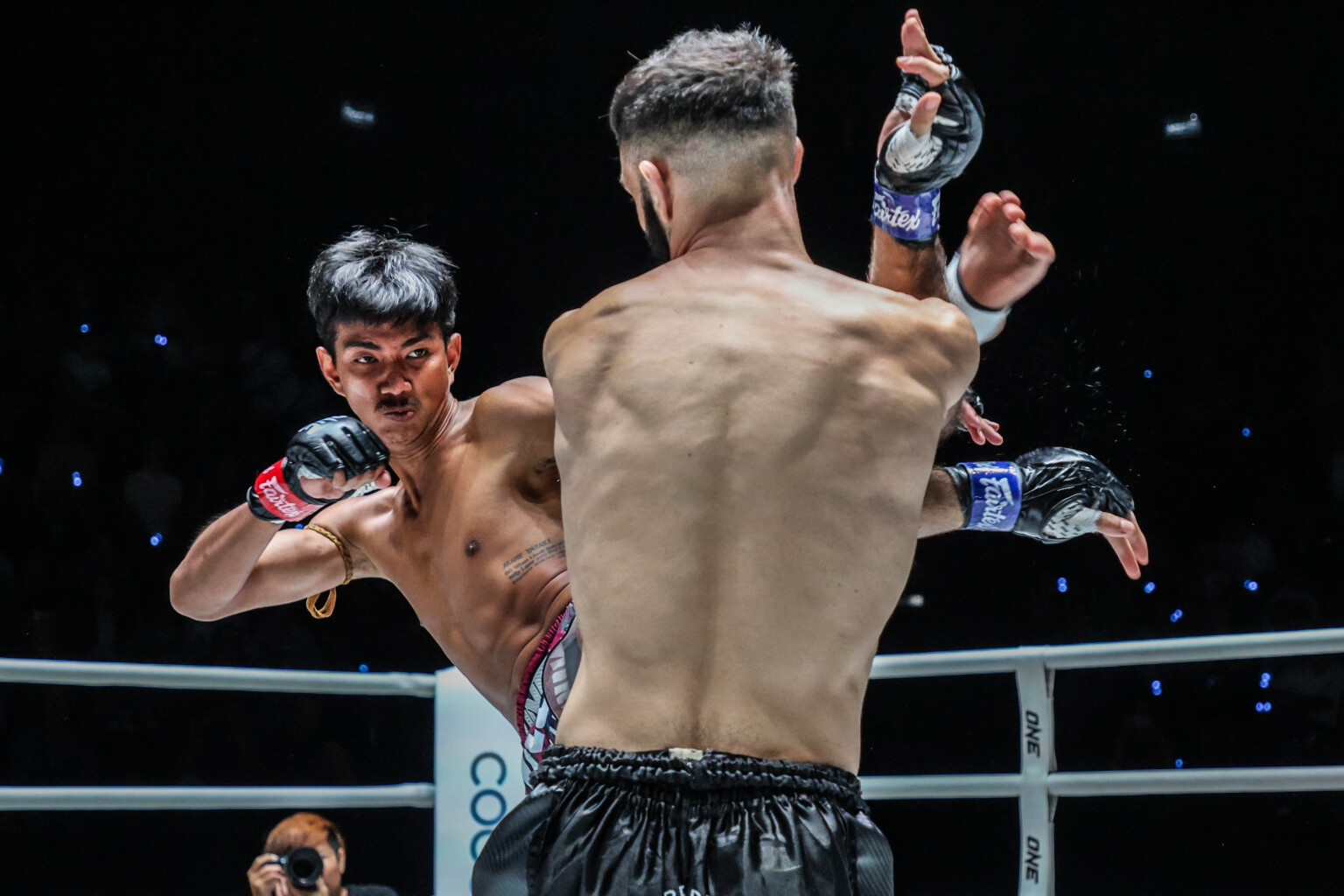
Combat sports have diversified dramatically over the past few decades, and few developments have reshaped the landscape as thoroughly as the sport this guide explains. Understanding the fundamentals transforms confusing broadcasts filled with unfamiliar terminology into genuinely engaging viewing, whether watching live events or exploring the sport’s growing presence in popular entertainment. Fans wanting to follow fight coverage and results can check the latest updates at db bet, where combat sports action stays current throughout the calendar.
What Does MMA Stand For: Breaking Down the Basics
Understanding what does mma stand for starts with its full name, Mixed Martial Arts, a title that directly describes the sport’s core identity as a combination of striking, grappling, and submission techniques drawn from multiple combat disciplines simultaneously.
This blended approach distinguishes the sport fundamentally from traditional single-discipline combat sports like boxing or wrestling, where competitors specialize exclusively in one technical skill set rather than integrating multiple fighting styles into a single competitive framework.
The name itself reflects genuine competitive philosophy too, since the sport emerged specifically from questions about which martial arts approach actually proved most effective when practitioners faced opponents trained in genuinely different combat traditions.
What Is MMA: Understanding the Modern Sport
Answering what is mma today requires recognizing how the discipline has evolved from a controversial experimental spectacle into a heavily regulated, technically sophisticated professional sport practiced and broadcast across virtually every continent worldwide.
Modern competition demands genuine well-rounded competency, since successful fighters must demonstrate proficiency across striking distance management, wrestling-based takedowns, and ground-based submission grappling rather than relying exclusively on a single specialized skill set.
This comprehensive skill requirement fundamentally shapes how athletes train, typically requiring years of dedicated cross-training across multiple distinct martial arts disciplines before reaching the technical sophistication necessary for elite-level competitive success.
The Core Disciplines Blended Within Mixed Martial Arts
Striking components draw heavily from boxing, kickboxing, and Muay Thai, providing fighters the technical foundation necessary for effective punching, kicking, and clinch work during the standing phases of competitive engagement.
Wrestling contributes essential takedown and control techniques, allowing fighters to dictate whether a fight remains standing or transitions to the ground, a strategic decision that often determines which fighter holds genuine positional advantage throughout an exchange.
Brazilian jiu-jitsu and other grappling disciplines round out the technical foundation, providing the submission techniques and ground control necessary for fighters to finish opponents or defend effectively once a fight transitions to the mat.
Understanding Who MMA Fighters Actually Are
Mma fighters typically arrive at the sport through diverse athletic backgrounds, with many competitors first specializing in a single discipline like wrestling, boxing, or judo before eventually cross-training toward comprehensive mixed martial arts competency.
This developmental pathway means individual fighters often carry distinct stylistic identities into competition, reflecting whichever base discipline shaped their earliest athletic development, even after years spent building genuinely well-rounded technical skill sets.
Beyond pure technical training, successful fighters must also develop exceptional physical conditioning, since competitive bouts demand sustained explosive effort across multiple rounds that severely tests cardiovascular endurance alongside pure technical execution under fatigue.
Weight Classes and Competitive Structure
Professional competition divides fighters into standardized weight classes, ensuring genuinely comparable physical matchups rather than allowing significant size disparities to overshadow technical skill differences between competing athletes.
These divisions typically range from flyweight through heavyweight, with each weight class maintaining separate rankings and championship structures that determine which fighters earn opportunities to compete for that division’s most prestigious recognition.
Weight cutting has become a significant strategic consideration within this system too, as fighters often compete at weights considerably below their natural walking weight, rehydrating afterward to gain size advantages against opponents in their designated competitive division.
How Fights Are Won: Understanding Victory Conditions
Competitive bouts can conclude through several distinct methods, including knockout, technical knockout when officials determine a fighter cannot safely continue, submission where an opponent taps out or verbally concedes, or judges’ decision following completed rounds.
Submission victories particularly showcase the sport’s grappling foundation, with fighters applying joint locks or chokeholds developed through disciplines like jiu-jitsu to force opponents into conceding defeat rather than risking serious physical injury.
Judges scoring contested decisions typically evaluate effective striking, grappling control, and overall dominance within each round, though this scoring approach occasionally generates genuine controversy when officials reach differing conclusions about closely contested exchanges.
Training Camps and Fight Preparation
Elite fighters typically train at dedicated gyms bringing together specialized coaches across striking, wrestling, and submission grappling, reflecting the comprehensive technical development modern competition demands from athletes at every competitive level.
Fight camp preparation generally spans six to eight weeks before scheduled competition, involving carefully structured training designed to peak both technical sharpness and physical conditioning precisely when a fighter steps into competition.
This preparation process extends well beyond pure technical training too, incorporating strength and conditioning work, nutritional planning, and often sports psychology support designed to manage the significant mental pressure elite competition demands.
MMA in Popular Culture and Entertainment
The sport’s growing mainstream popularity has extended well beyond live competition into broader entertainment, including the DirecTV and later Netflix drama “Kingdom,” which followed a fictional Venice, California gym and the family running it.
That series earned particular praise from genuine combat sports observers for portraying the training culture and financial struggles facing smaller gyms with notable authenticity, distinguishing it from more formulaic sports entertainment that treats the discipline superficially.
This kind of dramatic portrayal reflects broader cultural interest extending beyond pure competitive results, demonstrating how deeply the sport’s training culture and personal stories have resonated with audiences well beyond dedicated combat sports enthusiasts alone.
The Evolution From Controversial Spectacle to Regulated Sport
Early mixed martial arts competition operated with minimal safety regulation, lacking standardized weight classes and many rules that later became fundamental to how the sport operates and maintains legitimacy across virtually every jurisdiction today.
This unregulated period generated substantial controversy, facing political pushback and broadcast restrictions that nearly derailed the sport’s development before significant structural reforms established the safety standards necessary for eventual mainstream acceptance.
Athletic commission oversight now governs virtually every professional event, establishing standardized rules regarding permitted techniques, medical suspension requirements, and drug testing protocols that ensure genuine consistency across different competitive organizations and jurisdictions.
Physical and Mental Demands Facing Competitors
Elite competition places extraordinary physical demands on athletes, requiring simultaneous development of striking power, wrestling strength, grappling technique, and the cardiovascular conditioning necessary to sustain elite performance across multiple competitive rounds.
Mental preparation carries equally significant weight, since fighters must manage genuine physical danger and public scrutiny that few other professional sports demand, requiring psychological resilience alongside pure technical and physical preparation.
Career longevity remains a persistent challenge too, as the cumulative physical toll of high-level competition, particularly repeated strikes absorbed during training and competition, creates genuine long-term health considerations that responsible athletes and organizations increasingly prioritize.
The Global Growth of Mixed Martial Arts
What began as a primarily North American phenomenon has expanded into genuinely global competition, with fighters representing an increasingly diverse range of countries and training backgrounds competing at the highest professional levels.
Regional training centers across different countries have developed distinct technical specialties and coaching philosophies, enriching the sport’s overall competitive depth as fighters increasingly cross-train across different national training traditions and methodologies.
This international expansion has similarly broadened broadcasting reach considerably, introducing the sport to audiences across new markets who might otherwise never have encountered mixed martial arts competition through traditional distribution channels previously.
Why the Sport Continues Attracting New Fans
The sport’s continued growth reflects genuine appeal rooted in authentic, unscripted competition, offering audiences technical variety and unpredictability that distinguishes it meaningfully from more choreographed combat entertainment or single-discipline alternatives.
Compelling fighter personalities and dramatic narrative arcs, whether unfolding through actual competitive careers or dramatized entertainment like scripted television, continue drawing broader audiences into deeper engagement with the sport’s culture and competitive structure.
Whatever changes continue reshaping the competitive and entertainment landscape ahead, the fundamental appeal driving this discipline’s growth, genuine athletic competition blending multiple combat traditions into a single demanding sport, remains its defining characteristic.
